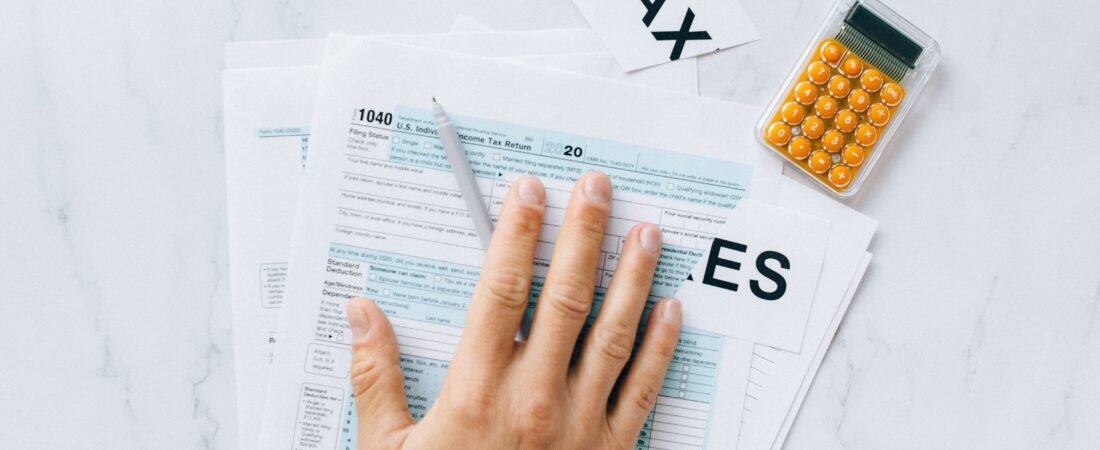
worried college student looking at laptop tax forms
how the irs tracks student side hustle income
i am literally staring at an empty coffee mug on my desk at midnight, trying to figure out why my student portal statement looks like a financial crime scene. nobody ever warns you about the absolute panic that hits when you check your tax filing dashboard and see that you owe the government thousands of dollars. you think you are just surviving on your own terms—doing a little freelance work or taking on random online gigs just to keep up with your grocery bill—and then boom. the system flags you. the absolute truth is that thousands of us fall into these brutal, hidden financial pits every single year because nobody sits down to explain how your side hustle income completely fights with your university tuition paperwork.
1. how the irs instantly tracks your side hustle earnings
Let me be completely honest, trying to hide your online income because you think you are just a small fish in a massive ocean is a terrible game plan. A lot of fresh college beginners assume that digital peer-to-peer transactions or cash app streams leave zero paper trails, but that is ancient history. The reality is that modern independent platforms and payment networks send your exact financial metrics straight to federal offices. If you cross their system threshold, a digital copy of your document hits the government database before you even finish your semester exams.
Everything runs on advanced automated matching software that ties your identity directly to your Social Security number. If an independent network files a document under your profile showing you made thousands of dollars, but your personal return says zero, the IRS computer instantly flags a discrepancy. This automated compliance match is exactly how surprise tax bills get generated without a human auditor ever looking at your file. Playing dumb or ignoring the document just invites massive failure-to-file interest fees onto your checking account later on.
[ SYSTEM FLOW CHANNELS ]
• Gig App Payouts: Third-party platforms transmit gross transaction summaries directly to central processing units. (Data Logged)
• Excess School Funding: Financial administrators file institutional payouts that scale beyond strict educational items. (Taxable Gain)
• Identity Mismatch: Automated scrapers detect missing 1099 profit streams against blank personal declarations. (Flagged Bill)
Let me break down another reality that hits college students like a brick wall right around tax season. Most young adults in the US believe they are completely safe from federal filings as long as their total annual revenue stays under the standard deduction limit. While that logic works perfectly fine for a normal part-time W-2 campus dining or retail role, your online side hustles operate under a brutal, separate set of compliance rules. The exact moment your net independent contractor profit touches just four hundred dollars, the IRS demands its cut. You could be making way less than five thousand dollars overall, but the self-employment system doesn’t care about your student status when those digital invoices stack up.
3. the self-employment tax threshold and the 15.3% deduction trap
Honestly, I think this is where the real panic starts. Traditional employers automatically slice out federal and state withholdings before your paycheck ever drops into your checking balance. But when you are crushing remote design tasks, completing independent site audits, or delivering orders on a gig app, you are viewed as an individual business entity. That means you are fully responsible for the entire fifteen point three percent self-employment tax rate, which covers your mandatory social security and medicare allocations. If you manage to bring in fifteen thousand or thirty thousand dollars entirely on your own without tracking your margins, that unexpected percentage creates a massive debt out of nowhere.
Employment Track vs Tax Burden Breakdown
Standard University W-2 Job: Payroll systems auto-deduct tax blocks before every single bi-weekly direct deposit hits. Income Tax Only.
Independent Contractor (1099): Zero balance withholding happens on the app, leaving you completely vulnerable at filing deadlines. 15.3% Flat Rate.
High-Volume Free Enterprise: You act as your own tax administrator across dynamic online checking networks. Full Schedule C tracking required.
The hidden traps don’t just stop at your gig app payout streams. Many young adults across America get blindsided by an unexpected tax bill even if they spent the entire year studying inside a university library instead of driving deliveries. The absolute silent culprit behind these massive student debts is your school’s official financial distribution ledger. When January rolls around, your campus administration updates a specific document that outlines every dollar moving through your account. If you ignore how these academic lines balance out against federal regulations, you open your student checking wallet straight up to an automated penalty, trust me on this one.
4. the 1098-t university form and excess scholarship traps
Here is how the university tax mechanism completely breaks your budget behind your back. Your school issues a Form 1098-T to track your annual educational journey. Box 1 shows the payments received for qualified tuition, while Box 5 lists your total scholarships or institutional grants. If you are a smart student who secured heavy funding to cover your semesters, Box 5 can easily scale higher than Box 1. The moment your financial aid exceeds strict tuition limits, the IRS marks that extra cash as regular taxable income. If you used that surplus money to cover your off-campus apartment rent, a meal plan, or personal utility invoices, it instantly adds to your net tax burden.
Pro Tip: Keep an incredibly sharp eye on your university account statement and cross-check Box 1 against Box 5 on your 1098-T long before filing season closes.