How to Avoid Losses on Textbook Arbitrage During Campus Off Seasons
Executing high-volume academic asset liquidations during compressed seasonal trading windows often exposes student micro-enterprises to devastating price drops. Mainstream direct-to-wholesaler scanning networks and automated buyback applications aggressively manipulate their pricing algorithms the moment local campus enrollment numbers drop. Trusting these unverified digital demand metrics during summer or winter breaks introduces severe capital erosion that quietly drains independent trading reserves. By entirely abandoning immediate off-season panics and adopting a strict
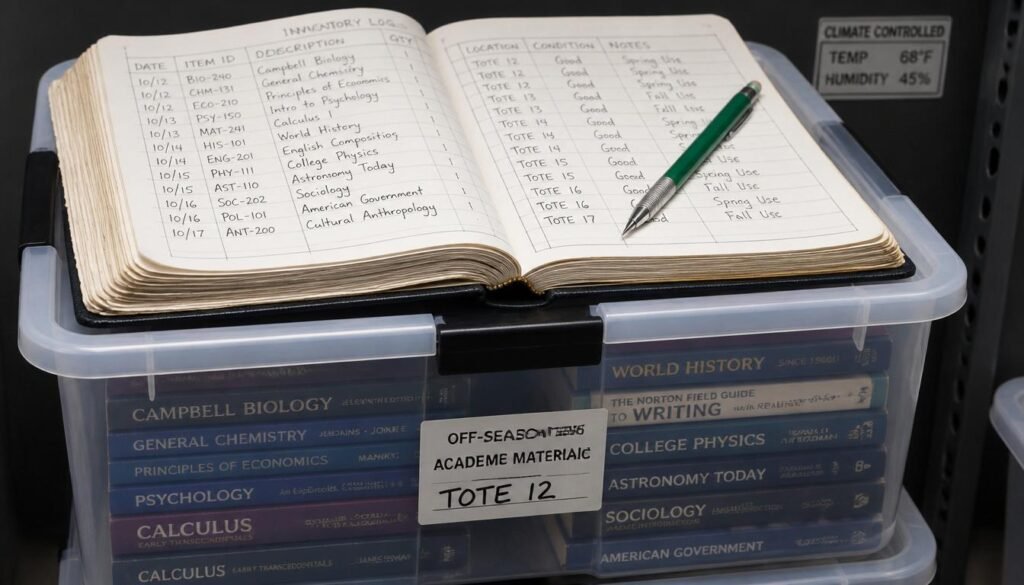
inventory retention and volume holding playbook, proactive student arbitrageurs successfully protect their net trading margins. This precise tactical breakdown reveals how isolating premium physical textbook inventory inside dedicated offline storage zones preserves your capital velocity until peak market demand returns.
1. Neutralizing Wholesale Price Suppression via Strategic Capital Holding
Encountering a seasonal market contraction where centralized textbook buying applications crash their baseline valuation structures can freeze your trading velocity instantly. Many student independent contractors falsely believe that liquidating high-value academic assets during summer or winter breaks at any offered rate preserves baseline operational momentum. However, relying on automated corporate platform algorithms during local campus off-seasons introduces catastrophic margin erosion that quietly drains independent liquid cash. Establishing dedicated physical storage holding protocols functions as a robust defensive shield against these manipulated marketplace algorithm shifts, ensuring your trading enterprise retains absolute value.
To systematically insulate your resale business from severe price drops, you must bypass the psychological panic embedded within mobile scanning alerts. Online aggregator dashboards purposefully lower buyback numbers during academic breaks to exploit independent sellers searching for immediate fast cash. Shifting your tracking into direct offline ledger management allows you to hold premium textbook stock securely until peak semester demand loops open, crushing artificial corporate price dips at the absolute core.
⚡ FAST-EXECUTION CHECKLIST:
Identify Premium Asset Grade: Scan your available textbook inventory and isolate core stem, nursing, or engineering textbooks that retain absolute multi-semester market utility.
Deploy Structural Containment Zones: Separate your retained off-season stock into clean, climate-controlled heavy plastic storage crates labeled exclusively for peak season liquidation.
Lock Private Pricing Benchmarks: Document the absolute lowest historical buyback price for each title in your hand-inked ledger book, establishing your baseline hold threshold.
2. The Uncompromising Performance Matrix of Off-Season Volume Holding vs. Panic Liquidation
Traditional inventory strategies fail independent textbook traders because they overlook the cyclical processing gaps inherent in automated corporate buyback pricing. Protecting your resale net margins during campus off-seasons requires a ruthless, transparent breakdown of how your trading inventory retains capital utility under severe market stress.
To give you an uncompromising view of your operational security options, this strict HTML matrix contrasts the structural protection of a physical volume holding strategy against the severe capital erosion of panic off-season liquidation:
Earning Protection Vector
Immediate Off-Season Panic Liquidation
Strategic Physical Volume Holding
Net Profit Retention
⚡ Severe Losses (Forces acceptance of artificial 60-80% wholesale price discounts due to low summer campus demand).
🛡️ Maximum Yield (Locks in premium face-value profits by delaying shipping until peak enrollment rush loops reopen).
💎 Zero Impact (Your physical inventory rests completely insulated from seasonal digital database updates).
Storage Capital Efficiency
Inwasting (Destroys asset value immediately simply to clear small physical footprint space inside dorm parameters).
🔥 High Protection (Transforms unused dead zones under beds into high-yielding asset accumulation warehouses).
⚡ FAST-EXECUTION CHECKLIST:
Isolate Platform Costs: Total all software tracking deductions and hidden transaction costs across your client messaging history to isolate net income fields.
Extract Transaction Records: Download all digital statement records from your payment accounts to prove the absolute value of received independent transfers.
Verify Physical Baselines: Entry the completed asset figures into your hand-inked ledger book to anchor your regulatory defensive compliance baseline.
3. Maximizing Liquidity Control via Offline Inventory Preservation Records
Sustaining an independent student cash flow requires countering the continuous institutional pressure to clear high-value trade assets through predatory online consignment networks. Mainstream digital listing portals purposefully design long payment clear processing holds to minimize the immediate emotional impact of administrative delays, leading directly to invisible reserve depletion during heavy textbook trading seasons. To break this dependency cycle, you must document your immutable inventory progress visually by updating a hand-inked daily milestone ledger card kept inside your primary physical storage zone. Watching your real-world books physically turn into immediate wholesale cash payouts establishes an authentic foundation of security that digital dashboards can never simulate.
⚡ FAST-EXECUTION CHECKLIST:
Create Your Milestone Card: Paste a thick index log sheet directly onto the inner lining of your physical textbook storage crate.
Log Every Contribution: Use a permanent dark marker to record your scanned wholesale buyback price balance on the card every Sunday night.
Perform Full Asset Counts: Complete a comprehensive physical currency validation check on the final calendar day of every single month without exception.
Will physical textbook inventory value decay significantly if held over an extended campus summer break?
No. Core foundational science, medical, and mathematical textbooks retain strong structural value across multiple academic terms. Holding these premium physical assets secures your baseline capital from sudden market drops, allowing a full profit return during the peak fall rush.
How do I verify if a buyback price reduction is a temporary off-season dip or a permanent database change?
To achieve absolute commercial certainty, you must cross-examine historical charts manually inside your offline tracking log. If tracking records show steady demand peaks during standard enrollment cycles, the drop is simply temporary, meaning your enterprise must execute a strict volume hold strategy.
⚠️ Asset Management Disclaimer for Independent Textbook Traders:
The seasonal trade mechanics, offline storage frameworks, and valuation tracking protocols detailed in this tactical summary are compiled strictly for basic educational and informational utility. This content does not constitute certified public accountant (CPA) counsel, formal financial planning guidance, or official regulatory commerce advice. Market pricing metrics remain highly volatile. Never execute high-volume asset holding programs or shipping transfers without conducting complete independent verification of current vendor terms.